

Postpartum Depression Can Exist Alongside Love

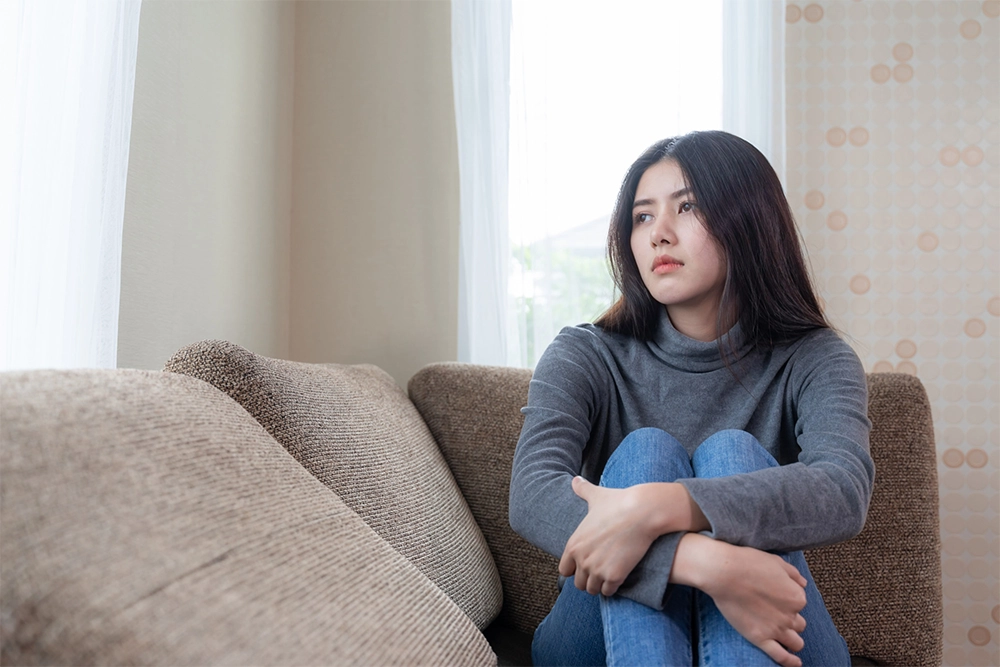
Bringing a baby into the world is often described as one of the happiest moments in a woman's life. And for many women, there is joy. There is love. There are beautiful moments. But what people do not talk about enough is that postpartum depression can exist alongside all of that.
A mother can love her baby deeply and still struggle emotionally.
Postpartum depression (PPD) is more than the "baby blues." It is more than feeling tired after having a newborn. It is a real mental health condition that can leave women feeling overwhelmed, emotionally disconnected, anxious, irritable, hopeless, or unlike themselves. Some women cry constantly. Others feel numb. Some become consumed with guilt because they think they should be happier than they are.
And many suffer in silence.
The Shame Around Postpartum Depression
One of the most heartbreaking parts of postpartum depression is how much shame women often carry around it. Society paints motherhood as something women should naturally adjust to with ease. So when a mother feels sad, anxious, angry, overstimulated, or emotionally exhausted, she may start questioning herself instead of recognizing that she needs support.
"I should be grateful."
"Other moms handle this."
"Maybe I'm just failing."
These thoughts are incredibly common in women experiencing PPD.
The truth is, postpartum depression does not mean you are a bad mother. It does not mean you are weak. And it certainly does not mean you do not love your child.
Motherhood Changes Nearly Everything
Your body, hormones, sleep, identity, relationships, responsibilities, and emotional world all shift dramatically after childbirth. Recovery is not just physical. Motherhood changes nearly every part of a woman's life, and sometimes the emotional weight of that change becomes too heavy to carry alone.
PPD can show up differently for every woman. Some mothers experience sadness and frequent crying. Others notice increased anxiety, racing thoughts, panic, irritability, anger, or feeling emotionally detached from the people around them.
Some women become overstimulated easily and feel touched out or mentally exhausted all the time. Others lose interest in things they once enjoyed or feel like they are simply surviving day to day.
Sometimes women do not even recognize they are struggling because they have become so focused on taking care of everyone else.
And while social media often highlights picture-perfect motherhood, real postpartum experiences are often messy, emotional, lonely, and overwhelming. There is no perfect way to adjust to motherhood. Every woman's experience is different.
Mothers Deserve Care Too
Healing from postpartum depression starts with compassion, not judgment. Support may look like therapy, medication, leaning on trusted family or friends, improving sleep when possible, or simply having a safe place to talk honestly without fear of being shamed.
Mothers deserve care too.
You deserve support even if you are still functioning. You deserve help even if others think you "look fine." You deserve to be cared for while caring for your baby.
And most importantly, you do not have to go through postpartum depression alone.
If this feels familiar and you are ready for support, visit here to schedule an appointment with Serene Harbor Psychiatry. Care is available through telepsychiatry for patients in Connecticut, North Dakota, and New York.
About Serene Harbor Psychiatry
At Serene Harbor Psychiatry, we provide compassionate telepsychiatry services for adolescents and adults in CT, ND, and NY, including psychiatric evaluations and medication management for anxiety, depression, ADHD, mood disorders, and other mental health concerns. Our goal is to create a supportive environment where patients feel heard, respected, and cared for.